The standard superhero costume — bright primary colours, a chest emblem, boots, tights and a cape — was not designed by anyone in one go. It was assembled from things that already existed in 1938, for reasons that had as much to do with printing and drawing as with heroism.
Once you know what each element was solving, the whole silhouette makes sense.
The tights came from the circus
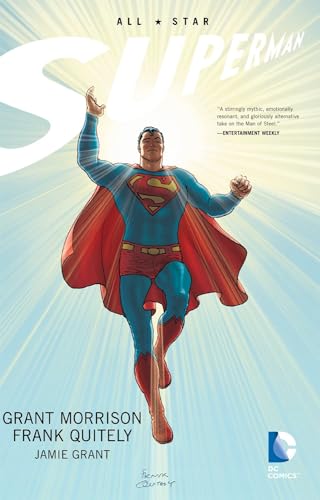
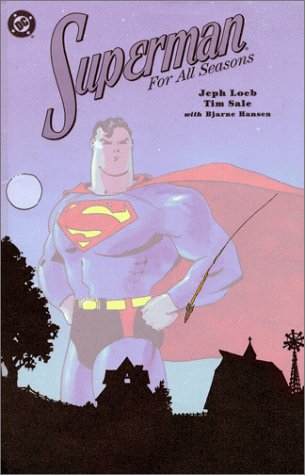
Superman's original look borrows directly from circus strongmen and stage acrobats: a fitted leotard, trunks worn over it, boots and a belt. That outfit already meant physical prowess to a 1938 audience, so it communicated instantly.
It also solves an artist's problem. A fitted costume lets the artist draw musculature and body position clearly at small print sizes, which loose clothing makes impossible.
- FactSuperman, created by Jerry Siegel and Joe Shuster, debuted in Action Comics #1 in 1938 and established the template for the superhero costume.Source: Encyclopaedia Britannica
The cape came from pulp heroes and drawing motion
Cloaked adventurers were already established — Zorro, the Shadow and stage magicians all used them, and the association with mystery and drama was ready-made.
On the page a cape does something no other garment does: it shows speed and direction in a still image. A figure standing still looks static; a figure with a cape trailing behind them reads as flying, running or landing. Comics are a static medium, so anything that implies motion earns its place.
The colours came from the printing press
Golden Age comics were printed cheaply on newsprint with limited colour separation, which meant bold, high-contrast primaries reproduced reliably and subtle shades turned to mud. Red, blue and yellow were not an aesthetic preference so much as what the process could actually deliver.
That is also why chest emblems became standard. A large, simple, high-contrast symbol stays legible at any size and identifies a character instantly on a crowded newsstand rack.
Why the trunks disappeared
The outer trunks made sense as circus-strongman shorthand and stopped making sense once nobody in the audience recognised the reference. Modern costume redesigns across both publishers have largely removed them, and film adaptations dropped them almost entirely.
The replacement logic is armour and function: seams, panels, textures and materials that suggest a garment someone would actually build. That reads as credible to a modern audience the way tights read as heroic to a 1938 one.
The case against capes
Capes are impractical, and creators know it — the joke has been made in-universe more than once, most famously in The Incredibles. Plenty of major characters have never worn one, including Spider-Man, Iron Man and Wolverine.
The ones who keep them tend to be characters whose appeal is majesty rather than agility: Superman, Batman, Thor, Doctor Strange, Magneto. The cape survives where the drama is worth the impracticality.
Sources
- [1] Encyclopaedia Britannica — Superman | Comic-Strip Character