Homelander is not subtle. Flight, heat vision, invulnerability, a cape and a flag — the design points at Superman on purpose, and the entire character depends on you recognising the reference.
The interesting question is not who punches harder. It is what the inversion is arguing, and why that argument works so well on audiences who grew up on the original.
The Boys is satire first
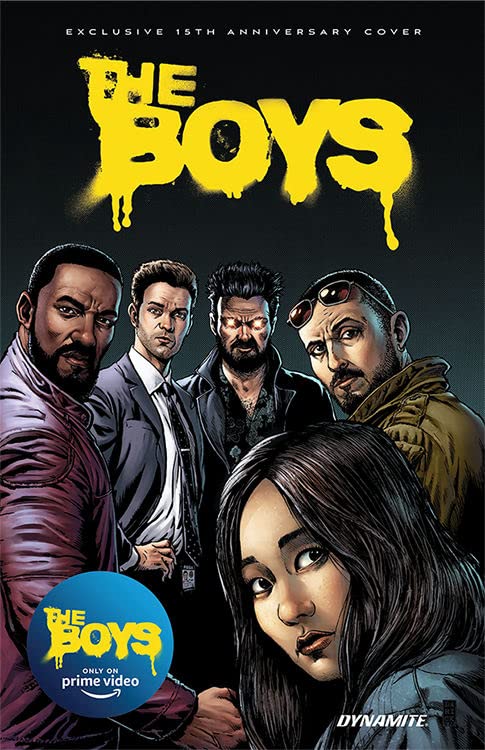
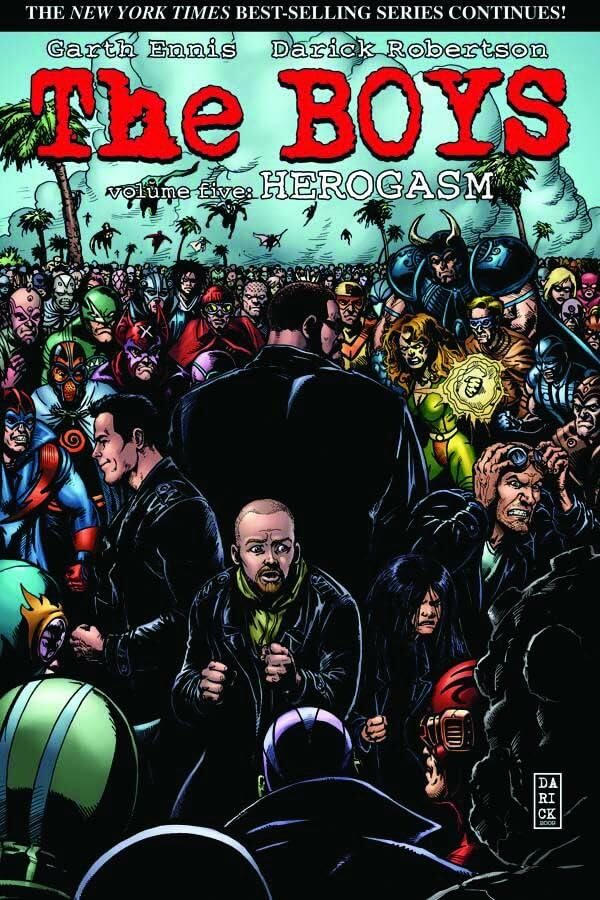
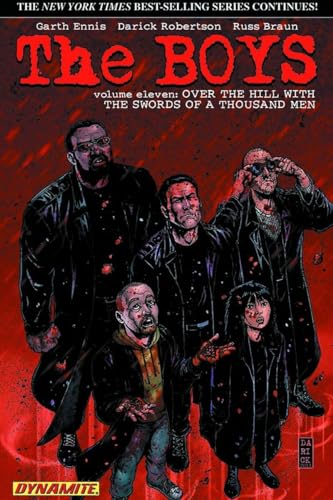
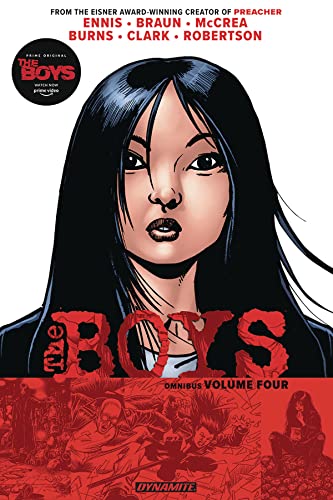
The Boys began as a comic by writer Garth Ennis and artist Darick Robertson in 2006, and its central premise is that superheroes are celebrities managed by a corporation. The powers are real; the heroism is marketing.
Homelander sits at the top of that structure. He is the brand's flagship, which means his public persona is a product designed by people whose job is quarterly performance — and the gap between the persona and the person is the horror.
- FactThe Boys was created by writer Garth Ennis and artist Darick Robertson and began publication in 2006.Source: Encyclopaedia Britannica
Same powers, opposite upbringing
Superman's defining detail is not Krypton — it is Kansas. He is raised by people who teach him restraint before he understands his own strength, and the character's whole moral architecture rests on that childhood.
Homelander was raised in a lab by an organisation that wanted an asset. He receives conditioning instead of love and approval instead of ethics. Give a Kryptonian-level power set to someone formed that way and you get exactly what The Boys depicts: a man who cannot tolerate being unloved and has no internal limit.
The actual power comparison
On feats, it is not close. Homelander's ceiling in both the comic and the show is roughly aircraft-destroying: he flies fast, his heat vision cuts through people and vehicles, and he shrugs off conventional weapons. He is also demonstrably vulnerable to a small number of things, and the show has been consistent about establishing limits.
Superman's mainline comics feats sit orders of magnitude higher — stellar-scale energy handling, planetary-scale movement, survival in environments that would kill anything Homelander has faced. Any straight fight ends quickly.
Which is why the fight is not the point
The comparison exists to make a moral argument, not a power one. The question The Boys asks is what would actually happen if a person with that power set existed in a world with public relations departments, government contracts and no Kansas.
Superman is an argument that overwhelming power plus good formation produces restraint. Homelander is the control group. Reading them against each other is more interesting than scoring them.
Comic Homelander versus show Homelander
The two versions differ significantly. Ennis's comic is broader and more openly disgusted with the genre; the television adaptation gives Homelander far more interiority and makes him frightening through insecurity rather than pure depravity.
Most viewers who go from the show to the comic find the comic harsher and less psychologically detailed. Both work, but they are aimed at different things — and the show's version is why the character became a cultural reference point.
Sources
- [1] Encyclopaedia Britannica — Garth Ennis | Northern Irish Writer