Comic collecting is an unusually easy hobby to lose money in, because the same object can be a reading copy, a display piece or a speculative asset, and beginners frequently buy it as one and value it as another.
These are the errors that show up most often, why each one costs money, and what to do instead.
Buying for speculation instead of for reading
The most common loss pattern is buying multiple copies of a new issue because a character is rumoured for a film. Print runs on speculated books are large precisely because retailers see the demand coming, so supply arrives fast and the premium collapses.
Buy books you would be happy to own if the value never moved. That single rule eliminates most of the downside.
If you do want exposure to value, scarce older keys in verified condition have a far better track record than modern issues, because the supply is fixed and the survivors are known.
Storing them badly
Sunlight fades covers, humidity warps and foxes paper, and heat accelerates the acid degradation that turns pages brown and brittle. Attics, garages and sunny shelves destroy value quietly over years.
Use acid-free bags and boards, store boxes upright in a climate-stable interior room, and keep them off concrete floors. This is cheap and it is the highest-return habit in the hobby.
Paying asking price instead of sold price
Listing prices are aspirational. The only useful number is what comparable copies have actually sold for recently, at the same grade, in the same market. Beginners routinely overpay by large multiples because they anchored on the highest listing they saw.
Check completed sales, not active listings, and match the grade exactly — the price gap between adjacent grades on a key issue can exceed the total cost of a common book.
Misunderstanding what makes an issue valuable
Age alone does not create value. Scarcity, demand and condition do. A 1978 issue with a print run in the hundreds of thousands and no significant content is worth very little regardless of its age; a first appearance of a character who became culturally central is worth a lot.
The value drivers, roughly in order: first appearances of characters people care about, key story events, low surviving high-grade population, and significant creator work.
Getting everything slabbed
Grading costs money per book plus shipping and insurance in both directions. For a common issue the graded value will not clear those costs, and you have converted a readable comic into a sealed object for a net loss.
Grade selectively: scarce keys, remote sales, authentication cases. Leave the rest raw and read them.
Ignoring reprints and facsimiles
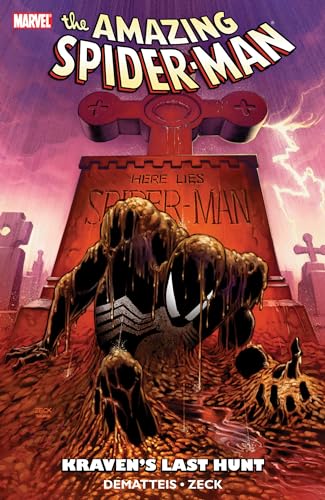
Publishers reprint famous issues frequently, sometimes with covers nearly identical to the originals. Beginners buy a facsimile at original-issue prices more often than anyone likes to admit.
Check the indicia — the small print block with publication details — and the price box. Reprints and facsimile editions state what they are, and modern cover prices are an obvious tell.
Chasing completion
Trying to own every issue of a long run is expensive and rarely produces a collection anyone enjoys. The last 10% of a run typically costs more than the first 90% and contains the issues nobody wants for a reason.
Collect runs by creator or storyline instead. The result is more readable, cheaper, and easier to sell if you ever want to.
Sources
- [1] Certified Guaranty Company (CGC) — CGC Grading Scale
- [2] Encyclopaedia Britannica — Comic Book | Definition, History, & Facts