The single biggest barrier to reading superhero comics is not price or availability — it is the belief that you have to catch up. You do not. Almost nobody has read everything, including the people writing the books.
This is the practical version: how the formats work, how to pick a starting point that will not strand you, and how to keep going once you finish.
Understand the four formats first
Single issues (“floppies”) are roughly 20–22 pages, released monthly, and are how new stories come out. Trade paperbacks collect 4–6 issues into one book — this is the format most new readers should buy. Omnibuses and compendiums collect huge chunks at a much lower cost per page but are physically heavy. Hardcover deluxe editions are the premium format for runs you already love.
For a first purchase, buy a trade paperback of a complete story. You get a beginning and an ending in one object, and if you dislike it you have spent very little.
Pick a character, not a universe
Trying to “start Marvel” or “start DC” is the mistake. Those are not stories, they are publishing lines with thousands of entries. Pick one character you already like from a film or show and read one acclaimed self-contained book about them.
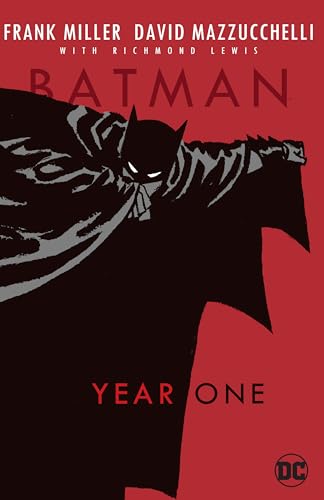
Batman: Year One, Daredevil: The Man Without Fear, All-Star Superman, Ms. Marvel Vol. 1, Hawkeye: My Life as a Weapon and Saga (non-superhero, but the best modern comic to hand someone) all work with zero prior reading.
Ignore continuity until it becomes interesting
Comics are written so that any issue can be someone's first. Captions and dialogue re-establish who people are, and anything genuinely required is usually explained on the page. When a book references an event you have not read, treat it the way you treat backstory in a novel — noted, not blocking.
If you find yourself wanting the reference, that is the moment to look it up. Curiosity pulls you deeper far more reliably than a homework list does.
Reading orders are for after, not before
Elaborate chronological reading orders are genuinely useful once you are invested in a character and want the full arc. They are actively harmful as a starting point, because they front-load hundreds of issues before you know whether you enjoy the medium.
The healthy sequence is: one good book, then a second book by the same writer or about the same character, then a run, then — if you want — a reading order.
Digital, library, or print?
Publisher subscription services give you enormous back catalogues cheaply and are the lowest-risk way to sample widely. Libraries stock trade paperbacks and often have digital lending, which costs nothing. Print is worth it once you know what you want to keep.
A reasonable first-year approach: sample digitally or through a library, buy print copies of the handful of runs you love, and skip single issues entirely unless you want to follow something as it releases.
How to keep momentum
Finish what you start, even if a run dips — comics arcs often pay off late. Keep a short list of the next two books rather than a giant backlog. And follow creators, not just characters: once you know you like a particular writer or artist, their other work is a much better bet than the next book featuring the same hero.
That single habit — following creators — is what turns a person who read one Batman book into someone with a permanent reading hobby.
Sources
- [1] Encyclopaedia Britannica — Comic Book | Definition, History, & Facts