Fans can usually tell within a page whether they are reading Marvel or DC, and they struggle to explain why. It is not costume design and it is not violence level. It is structural, and it goes back to when each line was built.
This piece breaks down the actual differences in origin, setting, scale and storytelling method — and where the neat distinction breaks down.
DC built icons in the late 1930s and 1940s
Superman arrived in 1938 and Batman in 1939, and DC's core line-up was largely established during the era that invented the genre. Those characters were designed as archetypes: the ideal, the avenger, the warrior. They are closer to mythology than to fiction about people.
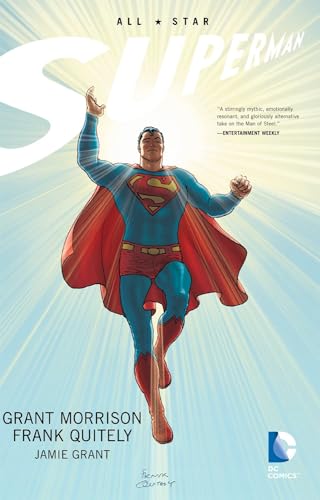
That is why DC's best stories tend to be thematic. All-Star Superman is an argument about goodness. Watchmen — published by DC — is an argument about the genre itself. The characters function as positions.
- FactSuperman debuted in Action Comics #1 in 1938 and Batman in Detective Comics #27 in 1939, establishing DC's core line-up at the genre's founding.Source: Encyclopaedia Britannica
Marvel built neighbours in the 1960s
Marvel's defining characters — the Fantastic Four, Spider-Man, the X-Men, Iron Man, the Hulk — were created in a concentrated burst in the early 1960s, largely by Stan Lee working with Jack Kirby and Steve Ditko. The pitch was explicit: heroes with money problems, illnesses, insecurities and rent.
They also live in real places. Marvel's New York is New York; DC's flagship cities are invented. That single choice changes how grounded everything feels.
- FactMarvel's core 1960s line-up, including the Fantastic Four, Spider-Man and the X-Men, was developed primarily by Stan Lee with artists Jack Kirby and Steve Ditko.Source: Encyclopaedia Britannica
Scale and stakes work differently
DC operates comfortably at cosmic scale: gods, multiverses, entities that predate the universe. When DC goes big, it goes metaphysical. Marvel's cosmic corner exists and is excellent, but the line's centre of gravity stays street-level and interpersonal.
This shapes what a “big event” feels like. A DC crisis rewrites reality. A Marvel event fractures the hero community into factions who all have a point.
Where the distinction falls apart
The generalisation is useful and also frequently wrong. Daredevil is as thematically severe as anything DC publishes. Batman stories are often pure street-level crime fiction. The Sandman and Swamp Thing are DC books that operate nothing like the house style, and Marvel's cosmic Annihilation material is as metaphysical as any Crisis.
Treat the difference as a tendency produced by history, not a law. Once you notice the tendency, you can pick books against it deliberately, which is where a lot of the best reading lives.
How to use this when choosing what to buy
If you want stories about people whose powers complicate ordinary life, start Marvel — Spider-Man, Daredevil, Ms. Marvel, Hawkeye. If you want stories that use characters to argue about morality, power and myth, start DC — All-Star Superman, Batman: Year One, Wonder Woman by Greg Rucka.
Neither is better. They fail in different directions, which is exactly why reading both is more interesting than picking a side.
Sources
- [1] Encyclopaedia Britannica — DC Comics | American Company
- [2] Encyclopaedia Britannica — Stan Lee | American Writer and Publisher