For two decades, the biggest franchise in Marvel comics was structurally absent from the biggest franchise in Marvel movies. There were no mutants in the Avengers films, no X-Men crossovers, and long stretches where Marvel's own publishing arm seemed to deprioritise the characters.
The reason is a licensing deal signed when Marvel was nearly broke. Here is the sequence, and what changed in 2019.
Marvel sold film rights to survive the 1990s
The comics speculation bubble burst in the mid-1990s and Marvel Entertainment ended up in bankruptcy proceedings. To raise cash, the company licensed film rights to its characters piecemeal — X-Men and Fantastic Four to Twentieth Century Fox, Spider-Man to Sony, and others elsewhere.
Those licences were not short-term rentals. They typically continued as long as the studio kept making films within contractual windows, which is why Fox kept producing X-Men entries and Sony kept rebooting Spider-Man.
How the split shaped both sides
Fox built a coherent run out of the X-Men from 2000 onward and had genuine hits — including the R-rated Deadpool and Logan, which pushed the genre in directions the family-friendly MCU could not.
Marvel Studios, meanwhile, built its universe out of characters it still controlled: Iron Man, Thor, Captain America, the Hulk and the cosmic corner. The MCU's shape is a direct consequence of which rights were unavailable, not a preference for those heroes.
The 2019 Disney–Fox acquisition
The Walt Disney Company completed its acquisition of Twenty-First Century Fox in March 2019. That transaction brought the film rights for the X-Men, the Fantastic Four and Deadpool back under the same corporate roof as Marvel Studios.
The rights returning is not the same as the characters appearing. Films take years to develop, and Marvel Studios chose to fold mutants in gradually rather than reboot immediately — which is why the gap between the deal closing and mutants becoming central stretched across several years of releases.
- FactDisney completed its acquisition of Twenty-First Century Fox on 20 March 2019, bringing Fox's film assets — including the X-Men and Fantastic Four rights — under Disney.Source: The Walt Disney Company
Why the comics went quiet too
Fans have long argued that Marvel Publishing de-emphasised mutants during the Fox years — fewer X-Men on merchandise, the Inhumans pushed as a replacement franchise, and a line-wide reduction in X-titles at points. Marvel has disputed the strongest version of that claim, and the evidence is circumstantial rather than documented.
What is not in dispute is the turnaround. Once the rights returned, the X-Men line was relaunched aggressively and mutants moved back to the centre of Marvel's publishing strategy.
Where to start if you have never read X-Men
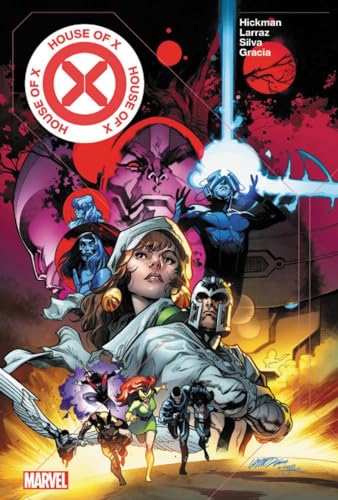
The film gap left a lot of viewers with no comics entry point. The usual recommendation is to start with a self-contained modern run rather than the 1960s originals: Grant Morrison's New X-Men, Joss Whedon's Astonishing X-Men, or the 2019 House of X / Powers of X relaunch, which is deliberately designed as a jumping-on point.
Chris Claremont's long run is the historical bedrock and worth reading eventually, but it is a large commitment and it assumes you already like these characters.
Sources
- [1] The Walt Disney Company — Disney Completes Acquisition of 21st Century Fox